
Aviator turns a simple idea into a tense, watchable casino game: a plane climbs across the screen, a multiplier rises, and players decide when to cash out before the flight ends. Its visual design does much of the storytelling. There are no reels to spin or cards to study; instead, the growing number and the aircraft’s movement make every round feel like a short countdown.
For players in Eswatini, the game’s clean presentation can make it easy to understand at a glance, whether played on a phone or a computer. Yet simple visuals should not be mistaken for predictable results. Each round can end abruptly, and no graphic cue reliably tells players when that will happen. This review looks at how Aviator’s design supports play, what the interface communicates, and what local players should check before choosing a casino.
First impressions: a game built around one image
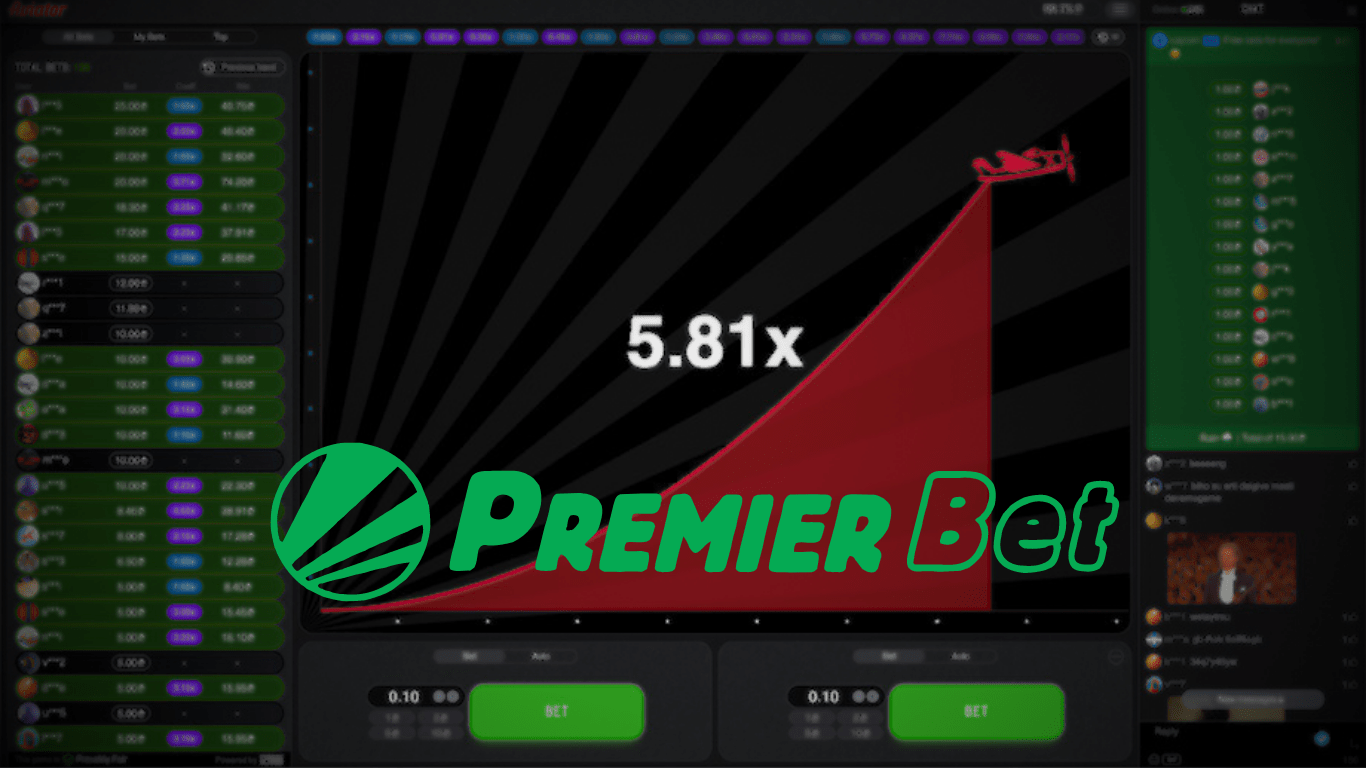
The screen usually centres on an aircraft moving through an open sky. As it travels, the displayed multiplier increases. Players place bets before the round begins and may collect their return by cashing out while the flight is still active. If the plane disappears first, bets that have not been cashed out are lost.
This visual arrangement gives Aviator an unusually direct rhythm. The plane represents the round, the multiplier shows the potential return, and the end of the flight marks the point at which an uncollected bet loses. Players do not need to interpret a complicated board or follow several characters. The central image and a few controls carry most of the information.
The uncluttered layout is especially useful on a small screen. Important controls remain close to the play area, and the rising multiplier is designed to be noticed quickly. That convenience also creates pressure: because the outcome can arrive suddenly, players may feel pushed to react before thinking through their limits.
How the crash visuals shape the experience
Movement, suspense, and readability
Aviator’s main animation is economical. Rather than filling the screen with elaborate scenes, it gives the aircraft a clear path and lets the multiplier do the numerical work. The gradual climb creates anticipation, while the sudden crash provides a sharp ending. This contrast is the game’s central dramatic device.
The design makes the changing state of a round easy to follow. A player can see that the flight is ongoing and watch the multiplier rise without repeatedly checking a separate panel. That visual clarity is a genuine strength, particularly for newcomers who want to understand the basic sequence before placing a bet.
At the same time, smooth movement can make the experience feel more controllable than it is. A plane that appears to be climbing steadily is an animation, not a forecast. Past flights, apparent patterns, and the length of the current climb do not provide a dependable signal about the next crash point. Good interface design can explain an outcome as it happens; it cannot make a random result predictable.
Sound and pace
Sound effects and round transitions add emphasis to the rising flight and its abrupt conclusion. Players who prefer a quieter session can lower the volume or mute the game, if those controls are available in the casino version they use. The visuals still provide the essential information, so audio is not necessary for understanding the game.
Rounds move quickly, and that pace is part of Aviator’s appeal. It also makes breaks important. A short pause between sessions can help players review how much they have staked instead of allowing one round to flow automatically into another. The game’s design encourages attention; players are responsible for setting boundaries around that attention.
Playing Aviator from Eswatini
The game itself may be familiar across different markets, but access depends on the casino offering it. Availability, payment methods, account requirements, and withdrawal conditions can vary. Players in Eswatini should confirm that an operator accepts local customers and review its current terms before depositing. Do not assume that a casino is suitable simply because its website loads or the game appears in a search result.
Check the casino’s licensing information and look for clear rules on deposits, withdrawals, identity verification, and complaints. Read the bonus terms separately from the game rules: a promotion may require a minimum deposit, impose wagering requirements, or exclude certain games. A special offer for first deposit users can be useful only when its conditions are understood and the offer suits the player’s budget.
Payment options can differ by operator and may change over time. Before sending money, confirm the currency used, any conversion charges, processing times, and the minimum withdrawal amount. If a payment method is unfamiliar or a casino’s terms are difficult to find, it is safer to pause than to rely on assumptions.
What the interface does well—and what it cannot do
- Clear focus: the aircraft and multiplier keep attention on the round’s main events.
- Quick learning curve: the basic relationship between a rising multiplier, cash-out, and a crash is easy to grasp.
- Compact presentation: the central action works well on mobile screens, subject to the casino’s own app or website performance.
- High tension: the sudden ending creates excitement, but can also encourage rushed decisions.
- No predictive visual cue: animation, recent results, and the apparent pace of a flight cannot guarantee what happens next.
The game’s design is strongest when treated as a readable interface for a chance-based activity. It is weakest when players interpret its rising line as a promise that a round will continue. A visually smooth climb is not evidence that the multiplier is “due” to reach a particular level.
Practical tips for a more controlled session
There is no strategy that guarantees a win in Aviator. A cash-out plan can help organise decisions, but it cannot change the randomness of the crash point. Some players prefer to collect at a modest multiplier, while others wait longer in pursuit of a larger return. Either choice carries risk, and a later cash-out can mean losing the entire uncaptured bet.
- Choose a budget before opening the game. Use only money you can afford to lose, and keep it separate from funds needed for essentials.
- Set a session limit. Decide in advance when to stop, whether the session is going well or poorly.
- Understand the controls. Learn how betting and cashing out work in the chosen casino’s version before staking meaningful amounts.
- Avoid chasing losses. Increasing a bet to recover a previous loss can deepen it quickly, especially in a fast game.
- Take breaks. If you feel rushed, frustrated, or unable to stop, close the game and step away.
These are risk-management habits, not winning systems. Players should be cautious of claims that a pattern, betting progression, or prediction tool can reliably identify the next crash. Such claims should not be treated as proof of an advantage.
Safety and fair-play checks
Safety depends on both the game and the casino through which it is accessed. Before playing for real money, check whether the operator provides verifiable licensing details, secure account access, published game rules, and a way to contact support. Look for information about the game provider and any stated fairness or testing arrangements. If key details are missing, do not treat attractive graphics as a substitute for transparency.
Protect your account with a strong, unique password, and never share verification codes. Use only official casino pages or verified applications, and be wary of links sent through unsolicited messages. Do not download unofficial “Aviator predictor” apps or provide account details to people claiming they can reveal crash results.
Players should also review local rules and the operator’s eligibility requirements. This article does not establish whether a particular casino is licensed to serve Eswatini, nor does it recommend any specific operator. Confirm the relevant information directly with the casino and appropriate local sources before making a deposit.
Questions players may have
Can the plane’s movement reveal when a crash will happen?
No. The animation displays the current round, not a dependable prediction of its endpoint. A long flight does not prove that another long flight is coming, and a quick crash does not guarantee a higher multiplier next time.
Is Aviator suitable for a beginner?
The controls and central concept are comparatively straightforward, but ease of use does not remove the financial risk. A beginner should first read the rules, use a demo mode if the casino offers one, and set strict limits before playing for money.
Can I play on a phone in Eswatini?
Possibly, if a casino that accepts customers in Eswatini offers a mobile-compatible version. Check the operator’s requirements, device compatibility, and connection quality. Availability can vary, so confirm directly rather than assuming every platform provides access.
Should I claim a deposit promotion?
Only after reading its full terms. Check the required deposit, wagering conditions, eligible games, expiry date, and withdrawal restrictions. A bonus is not guaranteed profit and should never be a reason to deposit more than planned.
Final verdict: effective visuals, real uncertainty
Aviator’s crash visuals are simple, focused, and effective. The aircraft provides a memorable centrepiece, while the multiplier makes the changing stakes easy to see. That minimalism helps explain why the game is approachable, particularly on mobile. Its fast rounds and abrupt endings also make it easy to lose track of time or react emotionally.
For players in Eswatini, the most important step is to assess the casino as carefully as the game: verify access, terms, payment details, and safety information before depositing. Treat the animation as presentation rather than guidance, set a firm budget, and remember that no cash-out approach can guarantee a return. Aviator can offer a tense visual experience, but the uncertainty behind every flight remains its defining feature.